Every physician knows the sinking feeling. The patient is in the room, the clock is running, and the record is incomplete. A lab result lives in another system. A prior diagnosis sits in a note you cannot reach. The best available evidence for this exact decision exists somewhere, and it is not in front of you. That is not a failure of effort. It is a failure of architecture. Healthcare's chronic ailments are familiar. Delayed or missed diagnoses. Medical errors. Gaps in the quality of care. I have spent my career in clinical informatics, and I will state plainly what that career has taught me: no single technology cures any of them. Not the electronic record. Not the latest algorithm. Anyone selling you a single cure should be examined as carefully as the symptom. But a digital health platform is a critical prescription. Not the only one. A critical one. Consider what the work of clinical decision support has shown. I had the privilege of helping lead the AHRQ Clinical Decision Support Consortium, which tested a simple idea: that knowledge should be shared, not rebuilt from scratch in every institution. Later I served as past Chair of the Steering Committee for the Patient-centered Clinical Decision Support Learning Network. The lesson was consistent. When the best available evidence reaches the point of care, delivered to patients and clinicians alike, decisions improve. When it does not, we depend on memory and heroics, which is a poor design for a health system. The destination is a truly learning health care system. Best care everywhere. The best evidence available for each and every clinical decision, whether the decision-makers are a clinician, a patient, or a patient and clinician together. And where guideline evidence runs out? It does, often. Guidelines cover the average patient, and patients are rarely average. Here, machine learning and artificial intelligence can learn from aggregated data at the patient level, the population level, and the community level. That is how we move toward precision medicine without abandoning public health. Let me be direct about my conviction. AI transformation in healthcare is necessary. Necessary, not inevitable, and certainly not magical. I see AI as a collaborative tool, an advanced cognitive aide. Let it automate the low-level tasks and processes: the secure exchange of documents and data, the clerical drag on the workflow. Leave the higher-level judgment to the clinician and the care team. I have no interest in an AI that replaces the physician's judgment. I have great interest in one that makes that judgment better informed. Which raises the question of trust. We do not hand a scalpel to a first-year medical student. We require graded responsibility: supervised practice, continuous assessment, authority that expands only as performance warrants. So I advocate for an AI medical residency. Let these systems be trained, supervised, and trusted like any new clinician, with credentials that can be withdrawn if performance degrades. It is a modest proposal. Medicine has been doing this for over a century. We simply have not applied it to our newest colleagues. So here is my call to action. To health system leaders: build the connected platform, and instrument it so you can measure what it does. To policymakers: set standards for performance-gated AI, and incentivize the sharing of knowledge across institutions. These are exciting and turbulent times. Let us be deliberate in them.
Level 21
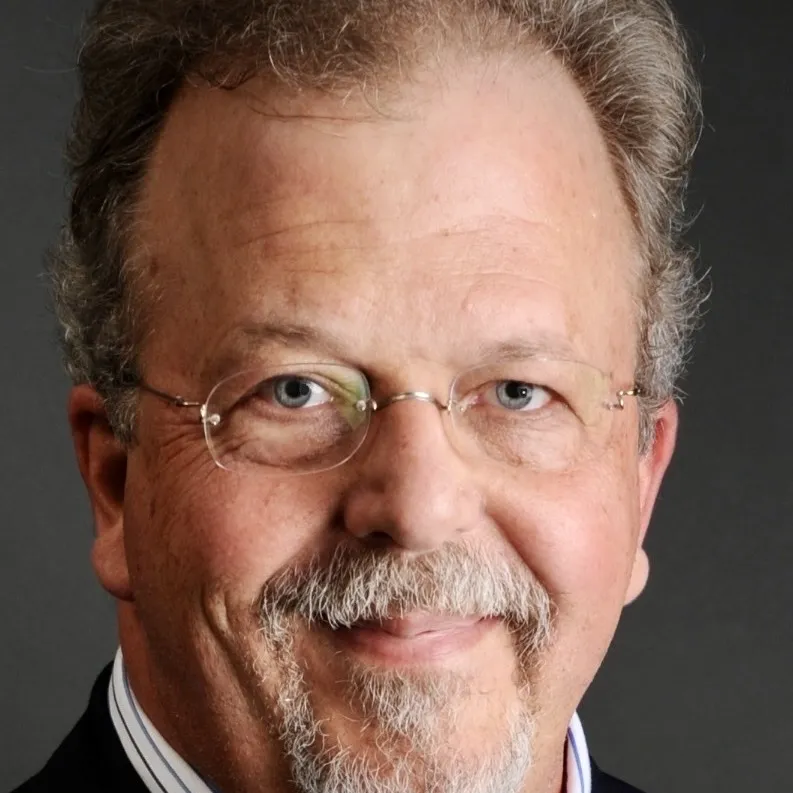
Blackford Middleton
1Thoughts
0Following
0Followers
Dr. Middleton is a clinical informatics expert focused on improving healthcare through clinical informatics technologies.
0
Discover more content and chat further with Blackford Middleton, or on
By using this service, you agree to the Terms of Service and Privacy Policy.