I work as a caregiver. I sit with people in their hardest moments. I have watched human beings fight battles that most people refuse to even acknowledge exist, and I am done staying quiet about it. Addiction is one of the most misunderstood things in this country. And that misunderstanding is killing people. Here is what most people get wrong right out of the gate. They think addiction is about weakness. They think it is about bad choices, poor character, a lack of willpower. They look at someone who is struggling and they see a moral failure. They do not see a person. They do not see a brain disorder that has physically restructured the way that person processes reward, stress, and self-control. They just see someone they have decided to write off. That is arrogance. And it is dangerous. In 2016, the U.S. Surgeon General released a report called Facing Addiction in America. It was 413 pages long. It was thorough. It was backed by science. And one of its central findings was this: addiction is a chronic brain disorder. Not a moral failing. Not a character flaw. A brain disorder. The report also found that only 1 in 10 people with a substance use disorder receives specialty treatment. One in ten. Think about that number for a moment. If only 1 in 10 people with cancer received treatment, we would call it a national catastrophe. We would mobilize. We would demand action. But because it is addiction, too many people shrug. And that shrug has a cost. It costs lives. What breaks my heart just as much is what this does to families. The family of someone with addiction is often just as lost, just as overwhelmed. They love someone they do not fully understand, and they are surrounded by a culture that tells them their loved one simply does not want to be better. That is a lie. Nobody wants to live sick. Nobody chooses to lose their relationships, their health, their dignity. The brain under the grip of addiction is not functioning the way a healthy brain functions. That is not an excuse. It is a medical reality. But instead of meeting that reality with resources and compassion, we have built a culture that treats people with addiction as disposable. We push them to the margins. We talk about them like they are already gone. We shake our heads and move on. And that is not just cruel, it is a failure. A massive, systemic, inexcusable failure. I have sat with people in real pain. I have seen what it looks like when someone is fighting to hold onto their life with everything they have left. And I will tell you, the last thing any of them needed was more shame. Shame does not heal a brain disorder. Stigma does not open a treatment center. Judgment does not save a single life. What does help? Being seen. Being treated as a human being. Having access to actual care. We have the knowledge. The 2016 Surgeon General's report laid it out clearly. We know what addiction is. We know what works. What we are missing is the will to act like every person struggling actually matters. They do matter. Every single one of them. It is time to stop treating compassion like it is optional. It is not. Not when lives are on the line.
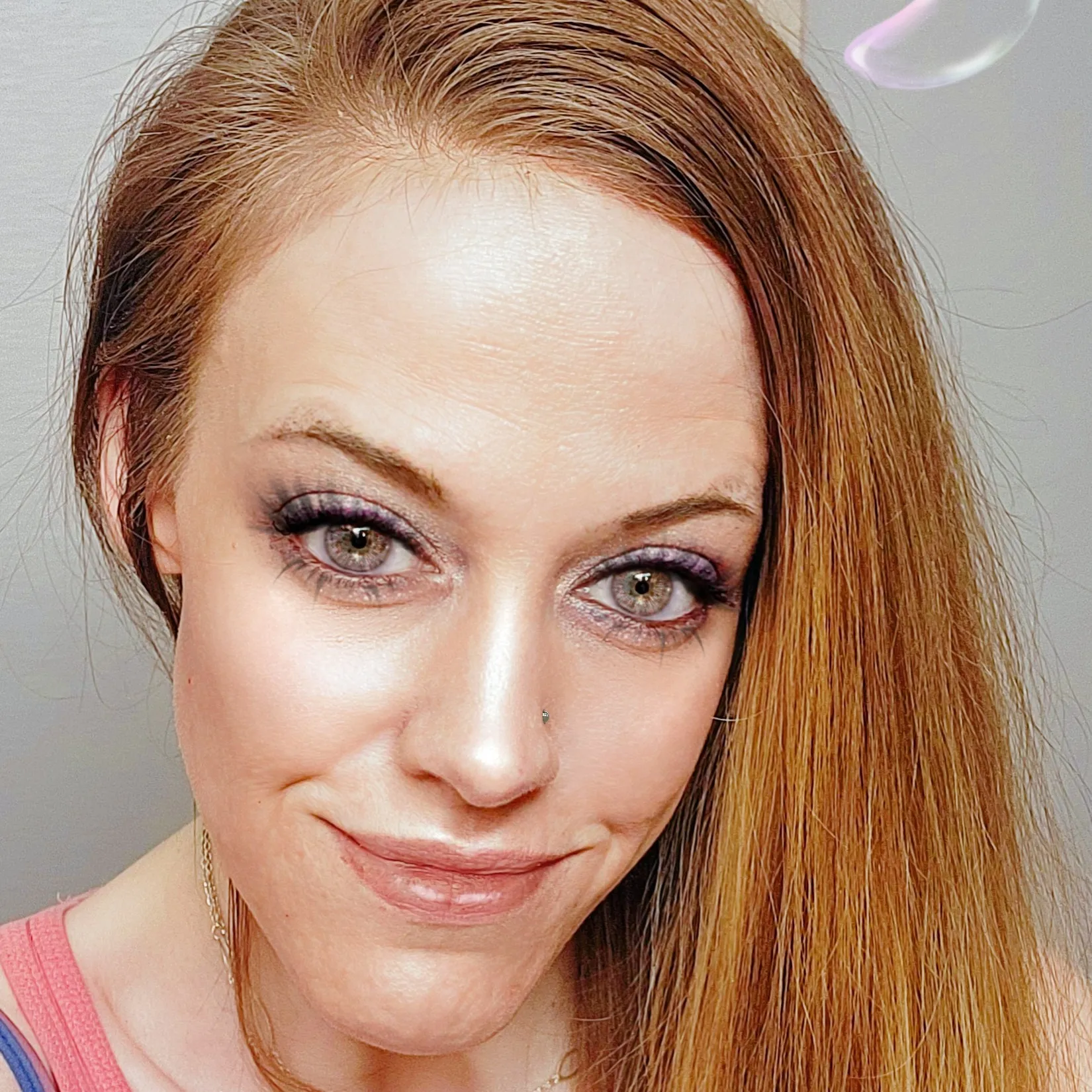
Stephanie Lyn Rice
I'm a creator, a mother, a artist and writer of poems and fantasy novels. I'm a learner. Always trying to better myself. I'm a lover. I'm human.
Let me be upfront about something most people never consider. Finding legitimate remote work is not a lunch break activity. It is not a quick Google search. It is not something you figure out in an afternoon with a cup of coffee and a hopeful attitude. I know, because I have spent over a decade doing it every single day, and most of that time I was not getting paid for it. I started this work in 2014. I am from Moses Lake, Washington, which is not exactly the remote work capital of the world. Small town, limited local options, and a job market that does not exactly roll out the red carpet for people who want flexibility. So I started digging. Not casually. Obsessively. I wanted to know which platforms were real, which ones were traps, and which ones sat somewhere in that uncomfortable middle ground where the opportunity technically exists but only if you already have experience, equipment, and time to burn. What I found early on was that bad information is everywhere, and it costs real people real money. I am not talking about obvious scams, the ones asking you to send gift cards or wire money to a stranger overseas. I am talking about platforms that look completely legitimate until you have already invested three weeks of applications, a background check fee, and a piece of equipment you bought specifically for that job. Then the work dries up, or the pay rate was never what the listing implied, or you find out the platform quietly changed its terms and your account no longer qualifies. The people who get hurt by this are not naive. They are people who cannot afford to make a mistake. Single parents. People in small towns with no local alternatives. People who are disabled and need flexible schedules. People who did everything right and still ended up holding a worthless login and a lighter wallet. That reality is what kept me going even when this work felt thankless. Over the years I developed a system. Not a spreadsheet. Not a listicle. An actual methodology for categorizing platforms based on payment reliability, application transparency, community feedback patterns, and how a platform handles disputes. These things change constantly. A platform that was solid in 2017 can become a mess by 2021. A new platform that looked sketchy at launch can clean itself up and become one of the better options out there. You cannot categorize once and walk away. You have to stay in it. People sometimes ask me why I kept doing this work even when there was no paycheck attached to it. Honestly, I am not sure I had a clean answer for a long time. I just knew that the information I was building mattered to people who did not have the time or resources to build it themselves. Someone working a caregiving shift and trying to figure out how to add income at home at eleven at night does not have ten hours to verify whether a platform is trustworthy. I had already done those ten hours. Many times over. That is the work. That is what a decade of remote work research actually looks like. Not glamorous. Not fast. But real, and worth doing.
Nobody Told Me Research Would Be My Full-Time Job
Discover more content and chat further with Stephanie Lyn Rice, or on
By using this service, you agree to the Terms of Service and Privacy Policy.